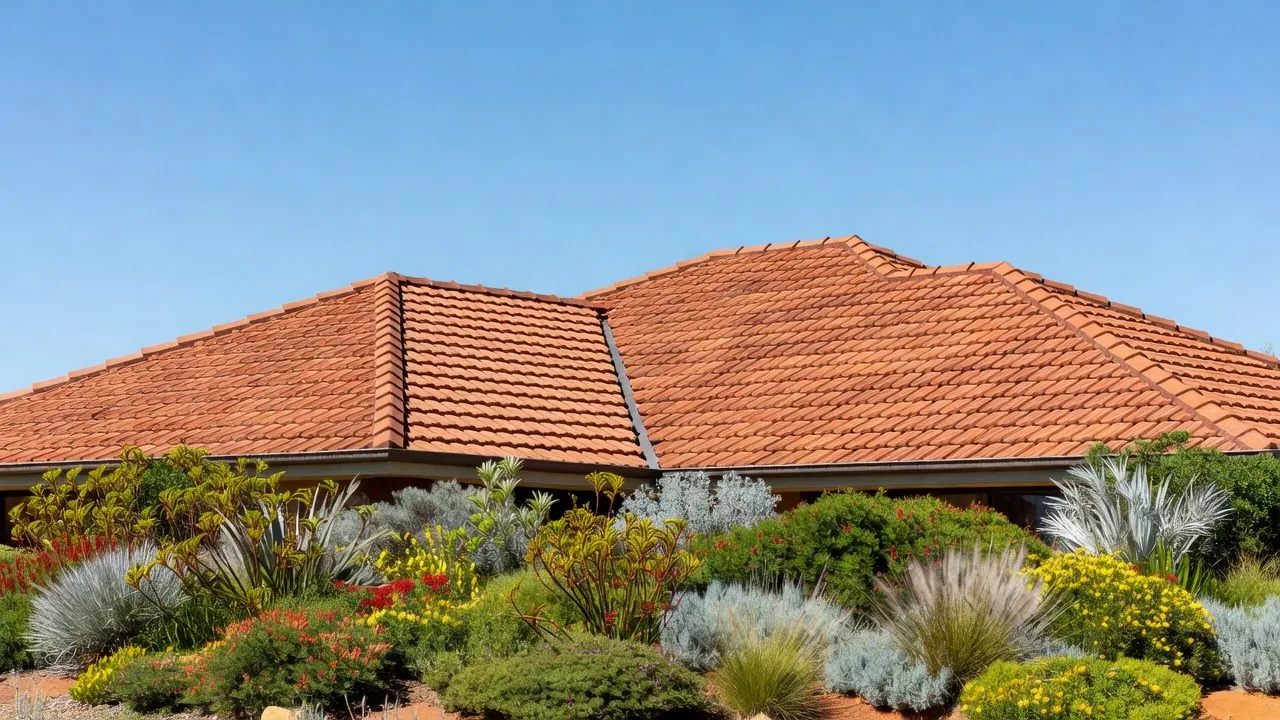
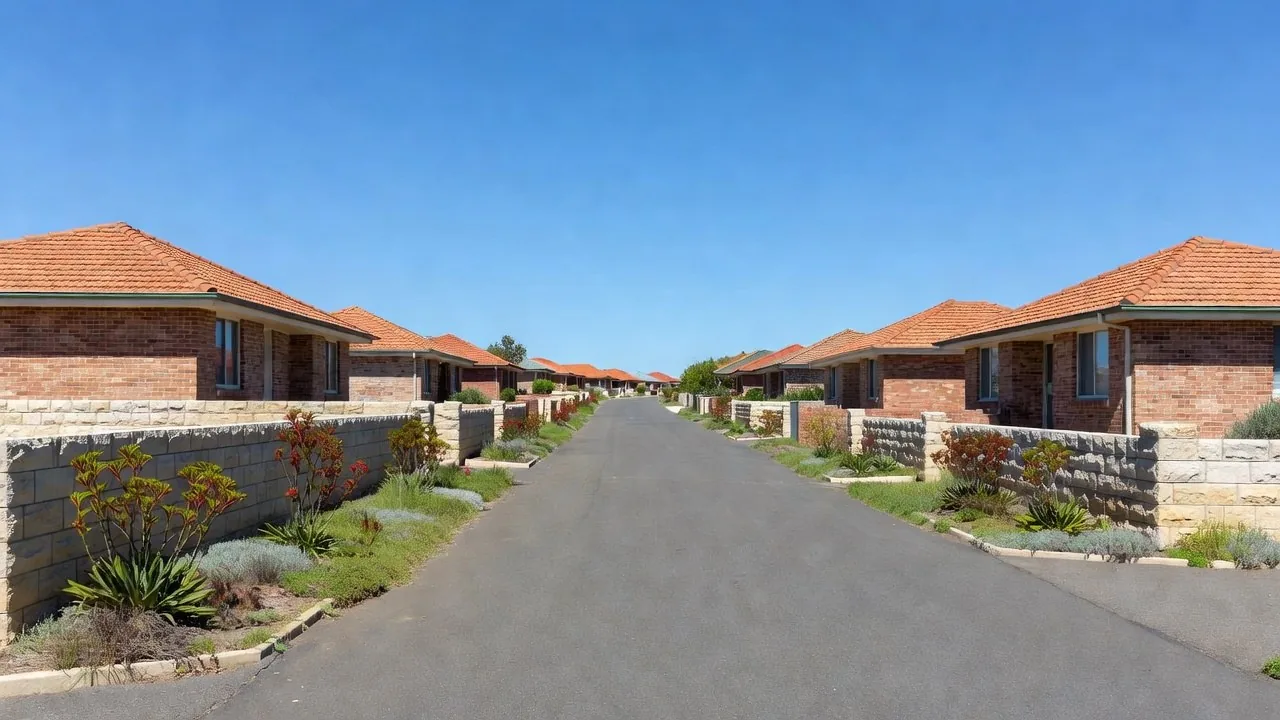
Ridge capping repointing, tile repairs, leaks and storm damage — by roofers who work Perth's tile roofs and know that here the damage season is winter. Tell us what you're seeing and you'll get a written scope, not a number from the driveway.
No obligation. Takes 30 seconds.
The jobs that come up most. Pick what's closest to your situation — or just tell us what's happening and we'll work it out.
The most common roof repair in Perth, and the one people leave too long.
Read more →Leaks, slipped tiles, failed valleys and the rest of it.
Read more →Tracing a leak to where the water actually enters.
Read more →Terracotta and concrete — the two roofs almost every Perth home has.
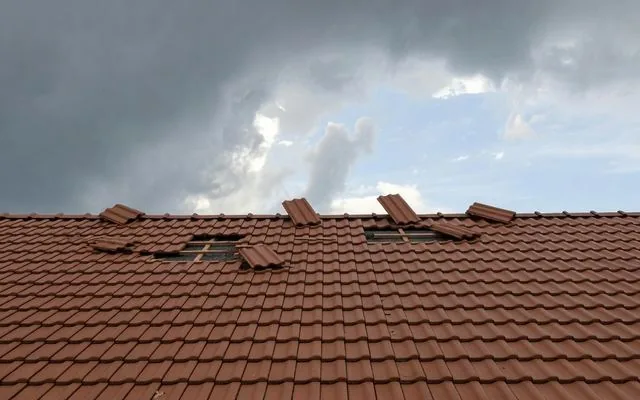
Read more →Winter front damage — lifted capping, displaced tiles and driving rain.
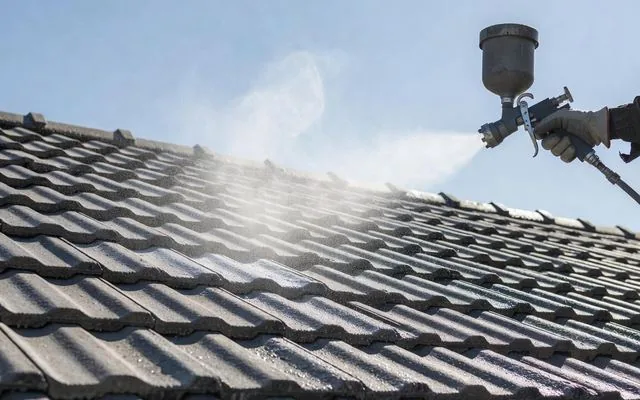
Read more →Clean, re-bed, repoint and coat — and the honest limits of it.
Read more →Guttering, downpipes and stormwater — the one part of WA roofing that IS licensed.
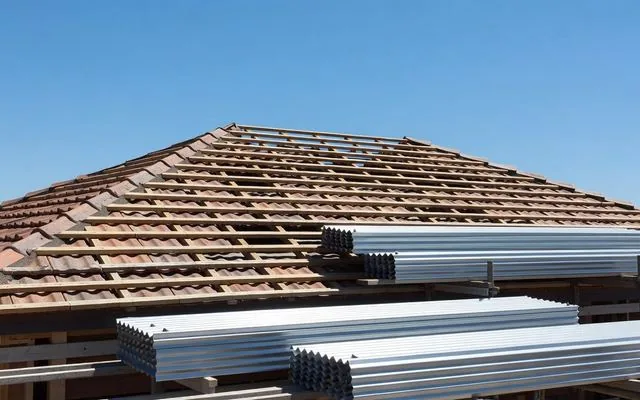
Read more →Full replacement — tile to Colorbond, and what really drives the cost.
Read more →Written reports before winter, before buying, and for insurance.
Read more →Why WA roofing is barely licensed, and what to check instead.
Read more →What roof work costs in Perth, and what moves the number.
Read more →Ridge capping repointing runs $1,500 to $4,500 — always ask for the rate per lineal metre. An inspection is $150 to $350 and usually comes off the job.
Three things account for most roof work in this city, and the timing catches out anyone who's moved here from the east coast.
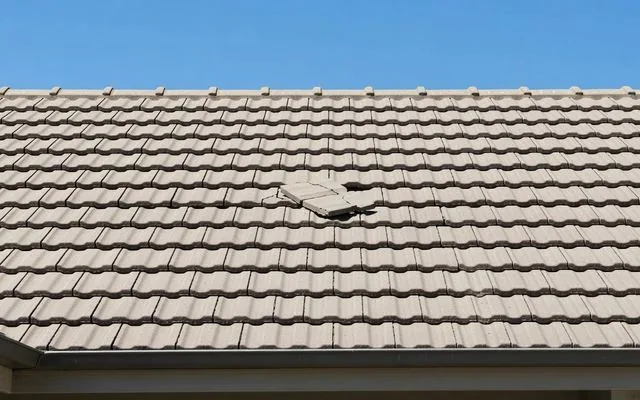
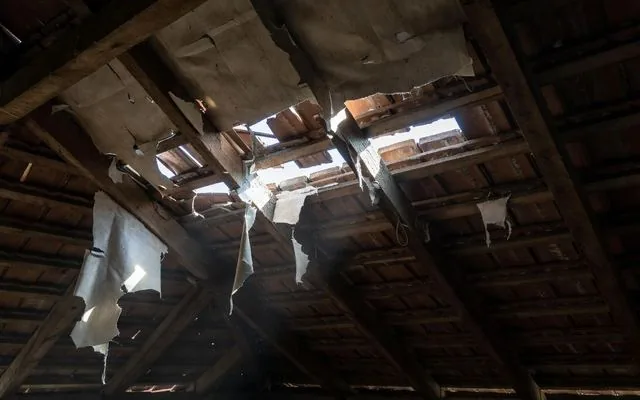
Perth's roof damage season is winter, not summer. Cold fronts come in off the Indian Ocean bringing sustained westerly wind and driving rain for hours at a time — a very different load to the short violent cells the eastern states get. Sustained wind lifts ridge capping and drives rain up under tiles at angles the roof was never designed to shed. Most Perth leaks are discovered in June and July, and most of them were caused by something that failed months earlier.
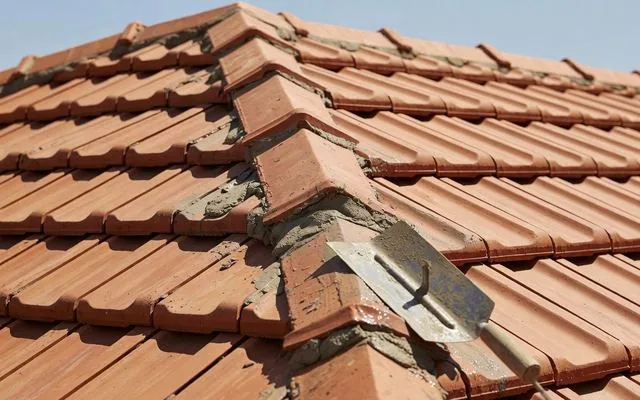
Perth is a tile city, and on a tile roof the mortar bedding under the ridge and hip capping is the first thing to fail. Hot dry summers and wet winters crack it, and once it goes the caps loosen and water gets underneath. It is by some distance the most common roof repair in this city, and the one most often left too long — because from the ground the roof looks completely fine.
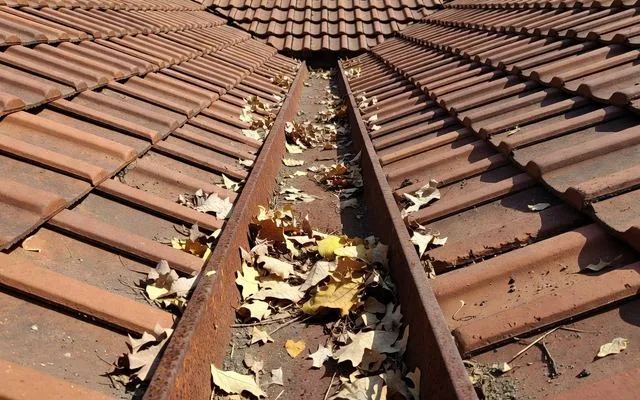
The afternoon sea breeze is dependable through summer and it carries salt well inland — not just to the beachfront suburbs. On tile roofs that matters less than on metal, but it attacks valley irons, flashings, gutters and every fixing. Coastal suburbs from Hillarys through Scarborough to Fremantle and Rockingham see corrosion on roof hardware years before an inland roof of the same age.

All three of those are slow failures rather than sudden ones, which is the useful thing about Perth roofs — they give you years of warning if anyone looks. Almost nobody does, until July.
Tile roof specialists, in a city where the capping fails before anything else.
Perth runs on terracotta and concrete tile, and ridge capping is where those roofs fail. The roofers here do repointing constantly rather than occasionally.
Damage here comes from May-to-September fronts, not summer storms. Someone who works this city plans around that — and the best time to book is summer.
There is no roofing licence in this state below $20,000. We say so plainly and tell you what to check instead, rather than implying a protection that doesn't exist.
Not a number shouted from the driveway. Photographs and a scope you can compare against another quote.
Western Australia regulates roofing far more lightly than the eastern states, and it is worth understanding exactly how before you choose a roofer — because the protections you might assume are there mostly are not.
Approval is required for:
Approval is not required for:
Because roofing itself is unlicensed here, the usual protections do less work for you. Check the business has current public liability insurance, ask for recent local addresses you can look at, and get everything in writing. Building and Energy (part of DEMIRS) is the regulator — 1300 489 099 — and they maintain the register of building contractors and plumbers. Source: your local council. Mostly no — and that's exactly why the other checks matter more here than they would in Queensland.
Full permit rules explainedCoverage runs the metropolitan area from Yanchep in the north, south to Rockingham and Mandurah, and inland through Midland to Mundaring and Kalamunda.

Mostly no, and this surprises people who've moved from the eastern states. WA has no roofer-specific licence. Registration with the Building Services Board is only required for builder-work valued at $20,000 or more, so the majority of domestic roof repairs and restorations are legally carried out by unlicensed operators. The exception is roof plumbing — gutters, downpipes and stormwater — which requires a Plumbers Licensing Board licence. Since the licence does less work for you here, check insurance and references instead.
The ridge and hip capping on a tile roof sits on mortar bedding. Perth's hot dry summers and wet winters crack that mortar over roughly fifteen to twenty years, the caps loosen, and water gets underneath. Re-bedding and repointing is the most common roof repair in this city. It's priced by lineal metre of ridge and it genuinely extends the roof's life rather than just improving how it looks.
Because the damage mechanism is sustained wind and driving rain rather than volume. A cold front pushes rain sideways under tiles and up under flashings at angles a roof sheds easily in ordinary vertical rain. A roof can be entirely watertight in a summer downpour and leak in the first serious June front.
The re-bedding and repointing part is real work with real value. The coating is largely cosmetic and sealing — it seals porous concrete tile and makes the roof look new, which matters if you're selling. It does not fix rotten battens, failed valley irons or structural sag, and any roofer implying otherwise is overselling. On terracotta the case for coating is weaker again, since it doesn't fade the way concrete does.
Possibly. Ridge capping fails silently — from the ground the roof looks perfect right up until water is in the ceiling. If your tile roof is over fifteen years old and has never been repointed, an inspection before winter is cheap insurance. Booking it in summer also gets you a better roofer at a better price than ringing in July.
Corrugated asbestos cement sheeting was widely used in WA before the late 1980s, especially on sheds, patios and carports, and some houses. It's safe while intact and hazardous once broken or cut. If any part of your roof predates 1990 this must be established before work starts — removal is a separate licensed trade with its own cost, and no roofer should be tearing into it casually.
For significant damage, usually yes — but photograph everything before anything is touched or tarped. Insurers routinely ask whether the roof was already deteriorated, and failed ridge capping that has been left for years is generally treated as maintenance rather than storm damage. A written report that separates the two is worth having.
Yes — coverage runs the length of the metropolitan area from Yanchep and Two Rocks in the north, south through Fremantle, Rockingham and Baldivis to Mandurah, and inland to Midland, Mundaring and Kalamunda. Travel is a real component of a quote at the far edges and an honest one says so.